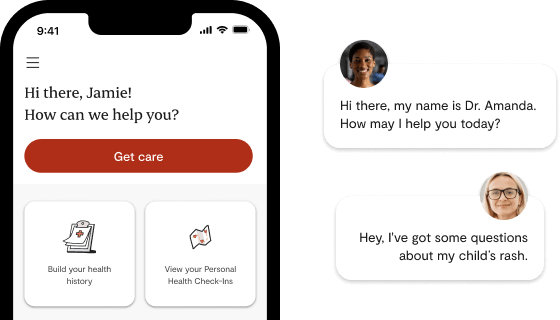

Around 10 million Canadians report having poor or fair mental health, around 1 in 3 of those Canadians report not having their mental health needs met. Whether you live in the city or your closest therapist is two hours away, virtual therapy can help with that. But when it comes to mental health support online versus traditional face-to-face sessions, how do you choose what’s best for you?
What You Will Find Here:
The rise of virtual counselling in Ontario
Across Canada, and especially in Ontario, virtual counselling services have gained popularity because of their convenience and reach. Instead of battling traffic or winter weather to get to your appointment, you can connect with a therapist from the comfort of your home.
In a recent teletherapy comparison study, researchers found little to no difference in outcomes between cognitive behavioural therapy sessions delivered remotely and those in-person. This means that for many common issues like anxiety or depression, teletherapy can be just as effective.

Virtual therapy also cuts out travel time and can save you commuting costs. Ontario has embraced this trend to the point that it’s only one of two provinces that fund certain online therapy programs.
Face-to-face connection the in-person difference
Despite the convenience of online therapy, some experiences don’t fully translate through a screen. In-person counselling offers an intimacy and personal connection that many people value.
Therapists can pick up on non-verbal cues like body language, eye contact, even restless fidgeting that might be missed over a video. Being in the same room can build a different kind of rapport. Some clients feel more comfortable in a structured setting, away from the distractions of the home.
There are also some cases in which in-person sessions are recommended. Severe mental health conditions or crisis situations may be better handled face-to-face, where a therapist can closely monitor symptoms and provide immediate support.
Not everyone has a private quiet space or reliable internet for virtual sessions. Technical glitches or video fatigue can sometimes get in the way of a good conversation. While online therapy is effective, the in-person experience can offer a depth that’s hard to replicate digitally.
Finding what works best for you
The good news is that you don’t necessarily have to pick one forever. Many Ontario therapists offer hybrid models, allowing you to mix virtual sessions with office visits depending on your needs.
The choice ultimately comes down to your personal situation and comfort. If you want flexibility, have a busy schedule or live far from services, online therapy is a perfect fit. You can access qualified help anywhere in Canada with just a secure video link.
On the other hand, if you feel you open up better in-person, or you need that human touch and immediate presence, an in-person counselling setting might suit you more.
Whether you’re talking to your therapist through a screen or across a room, what matters most is the connection and trust you build. Both formats offer proven paths to better mental health, so consider trying one or even both and see what works best for you.
FAQ’s About Online Therapy vs In-Person Counselling
Is online therapy as effective as in-person counselling?
Yes, studies show online therapy can have similar outcomes to in-person therapy for many issues.
What are the advantages of online therapy?
Online therapy offers convenience (no travel), wider access to therapists (especially if you live in a remote area), and you can attend sessions from the comfort of your own home.
What are the benefits of in-person counselling?
In-person sessions allow for richer personal connection. Therapists can observe body language and it may feel more intimate and focused than being on a screen.
Is online therapy covered by OHIP in Ontario?
Generally no. OHIP only covers therapy if provided by certain medical professionals (psychiatrists or through hospitals), so most online counselling with a private therapist isn’t covered.
How do I decide between online and in-person counselling?
Consider your needs and preferences. If you need flexibility and easy access, try virtual sessions. If you value face-to-face interactions or have a serious condition, in-person might be better. You can also blend both options.