
What You Will Find Here:
The Reality of Finding a Family Doctor in Toronto and Ottawa
If you’re searching for a family doctor in Toronto or Ottawa right now, you’re not alone—and the challenge is real. With over 2.5 million Ontarians currently without a family physician, the situation has become a healthcare crisis that affects millions of residents across the province’s largest cities. In Toronto alone, more than 516,000 people are struggling to find a doctor who accepts new patients, while Ottawa faces a shortage so severe that an estimated 200,000 residents remain unattached to primary care.
The numbers tell a sobering story. The Ontario College of Family Physicians projects that without urgent intervention, nearly 4.4 million Ontarians could be without a family doctor by 2026—a situation that threatens not just individual health outcomes, but the entire healthcare system’s ability to function effectively. But while the crisis is genuine, there are concrete strategies and solutions available right now that can connect you with quality primary care, sometimes faster than you might expect.
Why Toronto and Ottawa Are Facing Such Severe Shortages
The doctor shortage in Ontario’s two largest metropolitan areas stems from multiple compounding factors. First, there’s the natural retirement wave: many family physicians who practiced for decades are reaching the end of their careers, and the rate of new doctors entering comprehensive family medicine isn’t keeping pace. Second, burnout is driving practicing physicians away from the profession entirely. Recent data shows that 65 percent of Ontario family doctors report plans to leave or change their practice within the next five years, citing overwhelming administrative burdens, insufficient team support, and compensation that hasn’t kept pace with inflation.

In Ottawa specifically, the situation has prompted the City Council to develop a comprehensive 10-point recruitment strategy, including plans to hire a dedicated recruitment ambassador and explore opportunities to support new medical clinics. The city estimates it needs at least 270 additional primary care providers—and that’s before accounting for physicians nearing retirement. Toronto’s situation, while perhaps less organized in response, is equally dire, with healthcare leaders warning that nearly one million residents could be without a family doctor by 2026.
Beyond physician supply, demand keeps growing. Population expansion, an aging demographic increasingly requiring comprehensive chronic disease management, and the backlog of patients already waiting for care all contribute to a system operating far beyond capacity. When patients can’t access family doctors, emergency departments become overwhelmed with non-urgent cases—a costly and inefficient use of healthcare resources that frustrates both patients and physicians.
Official Pathways: Health Care Connect and Clinic Rosters
The Ontario government’s primary tool for connecting patients with family doctors is Health Care Connect (HCC), a centralized registry system designed to match unattached patients with physicians who are accepting new patients. The process is free and straightforward: you register online at ontario.ca or by calling 1-800-455-1822 (Monday-Friday, 9 a.m. to 5 p.m.), and a “Care Connector”—a nurse from Ontario Health atHome—will work to find you a suitable match in your community.
However, the reality of Health Care Connect has proven frustrating for many patients. As of mid-2025, over 108,000 registrants had been waiting for more than a year to be matched with a primary care provider. The Ontario Auditor General’s 2024 report concluded that Health Care Connect “has not adequately addressed the needs of Ontarians,” noting that the system hasn’t been updated since 2009 and doesn’t align with how modern primary care teams operate.
The Ontario government has committed to connecting everyone on the HCC waitlist as of January 1, 2025 to primary care by Spring 2026, A goal that represents meaningful progress but still leaves significant gaps. For those tired of waiting, there are more immediate alternatives worth exploring.
Direct Clinic Outreach: WELL Health and Appletree
If you want faster results, contacting clinics directly often yields better outcomes than waiting for HCC. WELL Health Medical Centres have announced they’re accepting over 50,000 new patients across Ontario, with locations including Bank Street in Ottawa and several Toronto-area clinics. Their process is straightforward: register on their website, choose your preferred clinic, and their team will contact you within 2-6 weeks to schedule a meet-and-greet with your assigned family doctor.
Appletree Family Medicine operates multiple clinics across the Greater Toronto Area and Ottawa, offering flexibility with both in-person and virtual appointments. Once you complete their roster request form, you can immediately begin seeing any Appletree family physician accepting patients, and your registration typically processes within 7 business days.
The CPSO Registry and DocMapper provide more granular control. Using the College of Physicians and Surgeons of Ontario’s “Find a Doctor” search tool, you can identify family physicians by postal code and language preferences, then contact them directly to ask about new patient availability. DocMapper.ca offers an interactive alternative that some find more user-friendly.
Community Health Centres in both cities also maintain lists of affiliated physicians, and calling your local hospital may reveal family medicine practices accepting patients that aren’t widely advertised.
The Virtual Care Revolution: Same-Day Access When You Need It
While traditional pathways to finding a family doctor involve waits measured in months or years, virtual care has fundamentally changed what “immediate access to a physician” means. For most medical issues—particularly non-emergency concerns—virtual consultations through licensed Ontario physicians deliver diagnostic assessment, treatment recommendations, and prescriptions with a fraction of the wait time.
How Virtual Care Works in Ontario
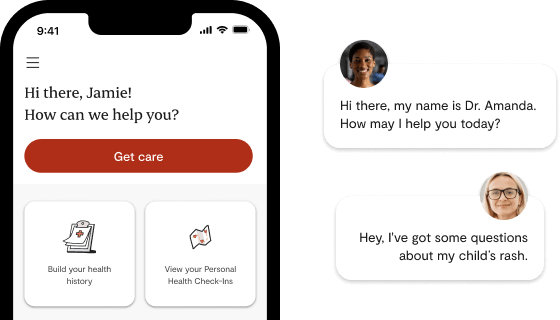
Virtual care visits with Ontario-licensed family doctors are covered by OHIP, the same insurance that covers in-person appointments. This makes them free or nearly free for Ontario residents with valid health cards. The process is simple: you book a video, phone, or text-chat consultation with a licensed physician, receive assessment and care, and typically obtain prescriptions—all from your home.
The effectiveness statistics are compelling. Research shows that Ontario physicians using telehealth platforms successfully resolve or arrange appropriate follow-up for 94 percent of virtual visits. Compared to traditional clinics where only 41 percent of patients can secure same-day or next-day appointments, virtual care platforms see 74 percent of patients booking appointments same-day or next-day. For patients with chronic conditions requiring medication renewals, minor acute illnesses like colds and flu, skin issues, eye infections, urinary tract infections, and mental health concerns, virtual medicine often exceeds in-person care in convenience without sacrificing quality.
The typical workflow takes minutes, not hours. Where walk-in clinics might involve traveling to a location and waiting 45 minutes to 2 hours to be seen, virtual care patients often connect with a physician within 10-20 minutes of booking. Even scheduling for a specific later time works efficiently, with most patients getting appointments within 24 hours.
Which Virtual Care Platforms Are Ontario-Focused and OHIP-Covered?
Multiple platforms operate in Ontario, but not all prioritize Ontario-licensed physicians or OHIP integration equally. Ogaei stands out as an Ontario-based platform specifically designed around OHIP coverage and the Ontario healthcare landscape. When you book through Ogaei, you connect exclusively with Ontario-licensed family doctors and specialists who understand the local health system, can refer you to Ontario specialists and clinics, and whose visits are fully covered by OHIP if you have a valid health card.
Other platforms include Maple (known for 24/7 availability and rapid response times), Tia Health (focus on scheduled appointments), Rocket Doctor (comprehensive visits with rapid turnaround), and TELUS MyCare (corporate integration). However, Ogaei’s Ontario-specific focus, OHIP integration, and competitive wait times make it particularly suited for Toronto and Ottawa residents navigating the family doctor shortage.

What Virtual Care Can and Cannot Do
Virtual physicians excel at managing most acute issues and chronic disease monitoring. A licensed doctor through virtual consultation can diagnose and treat colds, flu, allergies, infections, minor injuries, and rashes. They can renew prescriptions, order lab tests, provide medical notes and sick leave documentation, and refer you to specialists. For mental health, virtual psychiatrists and psychotherapists are available without referrals or waiting lists.
What virtual care cannot replicate is hands-on physical examination. A virtual doctor cannot set a broken bone, perform surgery, or conduct a thorough abdominal exam. In rare cases where physical assessment is essential, the physician will direct you to in-person care or the emergency room. But according to data, this happens in only about 1 percent of virtual consultations—the vast majority of health concerns can be properly managed remotely.
Strategic Approaches: Combining Virtual Care with Long-Term Primary Care
The most effective strategy for many Toronto and Ottawa residents involves treating virtual care and traditional family doctor search as complementary approaches, not either/or options. Here’s how:
Immediate Need: If you have a pressing health concern—symptoms that need evaluation, a prescription that needs renewal, or a sick note required for work—virtual care delivers results within hours rather than days or weeks. Book through a platform like Ogaei and resolve the issue immediately while continuing your search for a family doctor.
Parallel Search: Simultaneously pursue finding a long-term family doctor. Register with Health Care Connect if you prefer the no-cost, hands-off approach, but also take initiative: call WELL Health and Appletree clinics directly, search the CPSO registry for nearby physicians, and explore community health team options. The more active your search, the faster you’ll likely get results.
Chronic Condition Management: If you have ongoing conditions like diabetes, hypertension, or asthma requiring regular monitoring, virtual physicians can manage these effectively. You can receive consistent care with follow-ups and prescription adjustments without the burden of in-person appointments. When you eventually connect with a family doctor, your virtual care records can be transferred to ensure continuity.
Specialist Access: One major advantage of virtual care platforms is rapid specialist access without waiting months. Need dermatology, mental health therapy, or internal medicine evaluation? Virtual platforms connect you within 48 hours to a month, compared to 3-12 months through traditional referral pathways.
After-Hours and Weekend Care: Virtual care operates outside traditional clinic hours. If you get sick on a weekend or need guidance at 8 p.m., virtual platforms are available when family doctors’ offices are closed.
Red Flags and Cautions When Seeking a Family Doctor
As demand for family doctors has surged, some predatory or fraudulent operations have emerged. Be cautious of clinics claiming to place you immediately without any assessment or vetting—legitimate physicians have limited capacity and screen new patients. Be skeptical of anyone charging upfront fees “to guarantee” placement with a family doctor, or demanding cash payments before providing care.
When researching doctors, verify they appear in the official CPSO registry and confirm they’re accepting new patients directly by calling their office. Avoid unverified recommendations without checking the physician’s credentials and practice location. For virtual care, use established platforms check that they display physician licensing information and maintain secure, encrypted consultations.
Why the 2026 Outlook Matters: What’s Coming
The Ontario government has committed significant resources to addressing the family doctor shortage. The Primary Care Action Plan includes $2.7 billion in investment to connect every Ontarian with primary care by 2029. Ottawa’s recruitment strategy aims to attract new physicians specifically to the capital. These efforts suggest that while 2026 will likely remain challenging, meaningful improvements are being implemented.
In the interim, virtual care represents not a second-class alternative, but a legitimate, effective, and often superior option for many healthcare needs. A physician you can see within 20 minutes—even if virtual—often provides better outcomes than a family doctor with a months-long appointment wait.
Practical Next Steps: Your Action Plan
If you’re unattached in Toronto or Ottawa, here’s a concrete action sequence:
Week 1: Identify your immediate healthcare needs. Do you have pressing symptoms, medication refills, or mental health concerns? If yes, book a virtual care appointment through a platform like Ogaei to address these immediately. Cost: free or minimal OHIP-covered fee.
Simultaneously: Register with Health Care Connect (ontario.ca or 1-800-455-1822). It’s free, and even though waits can be long, every month you remain registered increases your priority for eventual matching.
Week 1-2: Research clinic options. Search the CPSO registry for family doctors near your postal code. Call 3-5 practices directly asking about new patient availability. Contact WELL Health and Appletree Medical online. You’ll likely get concrete answers faster than HCC matching.
Ongoing: Maintain virtual care access for any health needs that arise while searching for a family doctor. Many virtual physicians offer continuity—you can request the same doctor for follow-ups, creating a virtual primary care relationship until you secure an in-person physician.
Track Progress: Document responses from clinics you contact. Some physicians may be on temporary holds but planning to reopen for new patients in the coming months. Following up periodically can catch these opportunities.
Ogaei: Your Bridge to Immediate Care While Searching for a Family Doctor
If you’re in Toronto or Ottawa and frustrated by the family doctor search, Ogaei provides immediate access to Ontario-licensed physicians who understand your local healthcare landscape. Most consultations are OHIP-covered, meaning no out-of-pocket costs. You can book same-day appointments, speak with specialists without referrals, and receive prescriptions within hours rather than days.
Ogaei works particularly well as a bridge solution: while you pursue connecting with a permanent family doctor through official channels, Ogaei ensures your health needs don’t go unaddressed. Whether you need a sick note for work, an evaluation of concerning symptoms, prescription renewals, or mental health support, you have immediate access to care.
The platform is designed for Ontario’s healthcare environment, with doctors who know OHIP coverage rules, can refer to Ontario specialists and clinics, and maintain secure records that can eventually be shared with your family physician. It’s not a replacement for the continuity of ongoing family care—but in a system where that continuity isn’t immediately available, it’s the next best thing.
The Bottom Line
Finding a family doctor in Toronto or Ottawa in 2026 remains genuinely challenging, but not hopeless. Multiple pathways exist: official Health Care Connect, direct clinic outreach to WELL Health and Appletree, cold-calling physicians from the CPSO registry, and exploring community health teams. Virtual care through platforms like Ogaei provides immediate medical access while you pursue longer-term options.
The crisis is real, but so are the solutions. Your health shouldn’t be on hold while you wait for a family doctor appointment. By combining strategic outreach with immediate virtual care access, you can ensure you receive the medical attention you need—today, not months from now.
Ready to get care today? Connect with an Ontario-licensed physician through Ogaei in under 20 minutes. No wait lists, no referrals needed, and fully OHIP-covered for most medical consultations. Book your virtual appointment with Ogaei now and take control of your healthcare while searching for a family doctor.