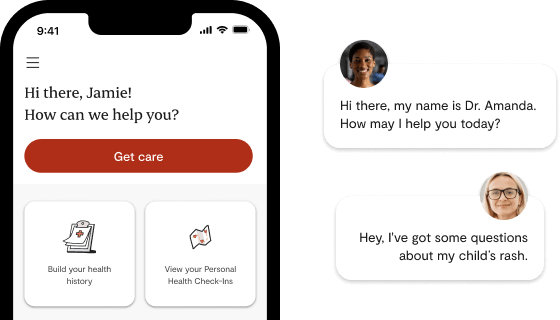

Healthcare has changed rapidly in recent years. More Canadians now rely on virtual healthcare services instead of traditional clinic visits. Whether it’s for convenience, accessibility, or faster medical advice, online doctor consultations have become a major part of modern healthcare.
But many people still ask an important question: Is online doctor consultation in Canada trustworthy enough to handle sensitive medical information?
After all, medical records contain highly personal details. Patients want to know if telehealth services are private, secure, and legally regulated.
The short answer is yes, online doctor consultations in Canada are generally safe and private, provided they are delivered through regulated platforms that follow strict privacy laws and healthcare standards.

Canada has some of the strongest healthcare privacy regulations in the world, including laws designed specifically to protect patient data during digital healthcare visits.
In this comprehensive guide, we’ll explore:
- How online doctor consultation safety Canada is regulated
- How virtual care platforms protect patient data
- What PHIPA compliant virtual care means
- The role of PIPEDA telemedicine regulations
- How to ensure a secure online doctor visit
If you’re considering telehealth services through trusted platforms like ogaei.ca, this guide will help you understand exactly how your privacy and safety are protected.
What Is Online Doctor Consultation?
Online doctor consultation, often called telemedicine or virtual care, allows patients to speak with licensed doctors remotely using technology.
Instead of visiting a clinic, patients connect with doctors through:
- Video calls
- Phone consultations
- Secure messaging platforms
- Digital prescription services
These services allow doctors to diagnose many conditions, provide medical advice, prescribe medications, and recommend follow-up care.
Common uses include:
- Minor illnesses (cold, flu, infections)
- Prescription renewals
- Mental health consultations
- Skin conditions
- Medical advice and referrals
Virtual healthcare has become especially popular in Canada because it improves accessibility, especially for people in rural areas or those with busy schedules.
However, convenience alone isn’t enough; patients must also trust that their health information remains private and secure.
Understanding Online Doctor Consultation Safety Canada
The concept of online doctor consultation safety Canada revolves around two major factors:
- Medical legitimacy
- Data privacy protection
Canadian healthcare regulations require telehealth platforms to meet strict standards in both areas.
A legitimate virtual care platform must:
- Work with licensed Canadian physicians
- Use encrypted communication systems
- Follow federal and provincial health privacy laws
- Store patient data securely
If these requirements are met, online consultations can be just as safe as traditional in-person visits.

In fact, many healthcare providers now use hospital-grade digital security systems that are specifically designed to protect medical data.
Is Online Doctor Safe for Patients in Canada?
Many patients wonder: is online doctor safe compared to visiting a clinic?
For most routine medical concerns, virtual care is very safe and effective.
Doctors providing telemedicine services must follow the same professional standards as they would during a physical appointment.
This means they must:
- Verify patient identity
- Review medical history
- Document consultations
- Provide appropriate medical advice
If a condition requires physical examination or urgent treatment, the doctor will recommend an in-person visit or emergency care.
So while telemedicine is extremely useful, it doesn’t completely replace traditional healthcare; it simply adds another layer of accessibility.
When delivered through reputable platforms like ogaei.ca, online consultations follow strict safety protocols.
Telehealth Privacy Canada: Why Patient Data Is Protected
Canada has some of the strictest healthcare privacy protections globally.
Telehealth providers must comply with federal and provincial laws designed to protect personal health information.
These laws regulate how patient data is:
- Collected
- Stored
- Shared
- Protected
Healthcare providers must use secure systems that prevent unauthorized access to medical records.
Key privacy requirements include:
- Data encryption
- Secure servers
- Access control
- Patient consent
- Confidential record management
This legal framework ensures that telehealth privacy Canada standards are maintained across digital healthcare services.
What You Will Find Here:
PHIPA Compliant Virtual Care: What It Means
In Ontario and several healthcare systems, digital healthcare providers must follow the Personal Health Information Protection Act (PHIPA).
A PHIPA-compliant virtual care platform ensures that patient data is handled responsibly.
PHIPA requires healthcare providers to:
- Protect personal health information
- Limit data access to authorized individuals
- Inform patients how their data is used
- Prevent unauthorized data sharing
For patients, this means that your medical history, prescriptions, and consultation details remain confidential.
Platforms that follow PHIPA regulations implement:
- Encrypted communication tools
- Secure login authentication
- Protected electronic health records
Any provider offering virtual consultations in Ontario must respect these privacy obligations.
PIPEDA Telemedicine: Federal Data Protection Rules
In addition to PHIPA, Canada also has federal privacy legislation called PIPEDA (Personal Information Protection and Electronic Documents Act).
This law governs how organizations collect and manage personal data across Canada, including healthcare platforms.
Under PIPEDA telemedicine regulations, providers must:
- Obtain consent before collecting personal information
- Explain how patient data will be used
- Protect information using strong security measures
- Allow patients to access their own data
Violating these rules can result in serious legal consequences.
This is why legitimate telehealth services invest heavily in data protection technology and compliance systems.
➲ More to know about telehealth privacy and security
What Makes a Secure Online Doctor Visit?
A secure online doctor visit depends on several important factors.
Patients should ensure the platform they use provides:
End-to-End Encryption
All video calls and messages should be encrypted so that no unauthorized party can intercept them.
Verified Licensed Doctors
Doctors must be registered with a provincial medical regulatory authority.
Secure Patient Portals
Patients should log into a protected dashboard where consultation records and prescriptions are stored securely.
Two-Factor Authentication
Extra login protection prevents unauthorized access to patient accounts.
Private Consultation Environment
Patients should conduct appointments in a private location to maintain confidentiality.
Platforms that meet these standards provide high levels of security and privacy.
Benefits of Secure Virtual Healthcare in Canada
When safety and privacy standards are met, telemedicine offers several major advantages.
Convenience
Patients can access healthcare from home without long clinic wait times.
Improved Accessibility
People in rural communities can consult doctors without traveling long distances.
Faster Medical Advice
Virtual visits often allow same-day consultations.
Reduced Exposure to Illness
Patients avoid crowded clinics and waiting rooms.
These benefits explain why virtual healthcare adoption has grown significantly across Canada.
How to Verify a Virtual Doctor in Canada
Before booking an online consultation, it’s important to confirm that the doctor is licensed to practice in your province.
Patients can verify doctors through provincial regulatory bodies.
Examples include:
- College of Physicians and Surgeons of Ontario
- College of Physicians and Surgeons of British Columbia
- College of Physicians and Surgeons of Alberta
A legitimate telehealth platform should clearly state:
- Doctor credentials
- Licensing information
- Medical registration details
Transparency helps ensure patients receive care from qualified professionals.
Common Security Practices Telehealth Platforms Use
Reputable virtual care providers use advanced security systems to protect patient data.
Typical protections include:
- Encrypted video consultations
- HIPAA-level data protection systems
- Secure cloud medical record storage
- Regular cybersecurity audits
- Strict internal data access policies
These measures significantly reduce the risk of data breaches.
Tips for Patients to Keep Their Telehealth Visit Secure
Patients also play a role in protecting their privacy during virtual consultations.
Here are simple steps to improve security:
- Use a private internet connection
- Avoid public Wi-Fi networks
- Keep your device updated
- Use strong passwords
- Confirm the platform is legitimate
Taking these precautions ensures a safe telemedicine experience.
Most Asked Questions about Online Doctor Consultation Safety Canada
Are online doctor appointments as safe and confidential as in-person visits in Canada?
Yes. When delivered through regulated platforms, online consultations follow strict privacy laws and professional medical standards. Doctors must maintain confidentiality and protect patient records just as they would during in-person visits.
How do virtual care platforms protect my medical data under PHIPA and PIPEDA?
Virtual healthcare providers use encrypted systems, secure servers, and strict access controls to protect patient data. PHIPA and PIPEDA require organizations to obtain consent, limit data sharing, and implement strong security safeguards.
Can I use public Wi-Fi for an online doctor visit, or should I take extra security steps?
It’s safer to avoid public Wi-Fi networks when attending a virtual medical appointment. Public connections may expose your data to security risks. Instead, use a private home network or a secure mobile connection.
How do I know if a virtual doctor is licensed in my province?
You can verify the physician through your province’s medical regulatory authority website. Most legitimate telehealth platforms also display doctor credentials and licensing details.
What red flags should I watch for to avoid unsafe or fraudulent telemedicine websites?
Warning signs include:
No doctor credentials listed
No privacy policy
Requests for unusual payments
Lack of secure website encryption (HTTPS)
Poor online reviews
Always use trusted healthcare platforms.
Conclusion
The rise of digital healthcare has transformed how Canadians access medical services. With strong privacy laws and strict regulatory frameworks, online doctor consultation safety Canada standards ensure that virtual healthcare remains both secure and confidential.
Thanks to laws such as PHIPA and PIPEDA, patients can trust that their sensitive medical information is handled responsibly by legitimate telehealth providers.
When patients choose reputable platforms like ogaei.ca, verify doctor credentials, and follow basic cybersecurity practices, virtual consultations can be just as safe as traditional clinic visits.
As technology continues to improve, secure telemedicine will likely become an even more essential part of Canada’s healthcare system – offering convenience, accessibility, and trusted medical care from the comfort of home.