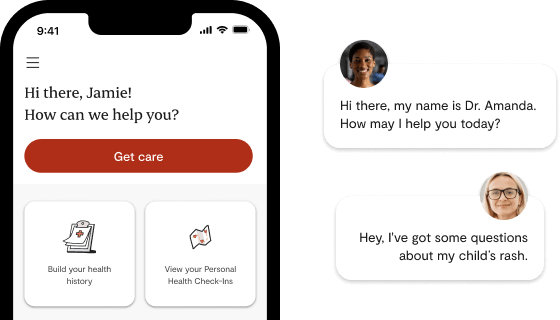

In recent years, virtual healthcare has transformed how Canadians access medical care. With telemedicine services now widespread from British Columbia to Newfoundland, many patients are asking:
What can online doctors treat in Canada?
And more importantly, when is virtual care appropriate and safe?
This guide explains the full scope of conditions treated by virtual care, from common acute illnesses like colds and urinary tract infections (UTIs) to longer‑term management of chronic diseases.
Understanding Virtual Care in Canada

In Canada, “virtual care” refers to healthcare delivered remotely using technologies such as:
- Video consultations
- Phone calls
- Secure online messaging
These interactions allow licensed Canadian physicians and nurse practitioners to assess symptoms, diagnose conditions, prescribe medications, order tests, and refer to specialists, just as they would in person, as long as the clinical situation permits.
However, it’s crucial to understand that not all conditions are suitable for virtual treatment. If a physical exam or urgent intervention is needed, your online doctor will advise you to visit in person.
Common Acute Conditions Online Doctors Can Treat
Most virtual care providers in Canada can diagnose and manage non‑emergency, acute illnesses that do not require hands‑on physical examination.
1. Colds, Flu & Respiratory Symptoms
Online doctors can assess and treat symptoms of:
- Common cold
- Influenza (flu)
- Cough and sore throat
- Allergies and sinus congestion
They can provide medical advice, prescriptions, and care plans to help you recover at home.
2. Urinary Tract Infections (UTIs)
An online doctor for UTI can evaluate symptoms such as pain during urination, frequent urges to urinate, or lower abdominal discomfort. If appropriate, they can:
- Confirm the diagnosis
- Prescribe antibiotics
- Recommend supportive care
Virtual care is a safe, convenient option for uncomplicated UTIs in many adult patients.
3. Skin Conditions (Rashes, Acne, Minor Infections)
Virtual dermatologic care can include:
- Online doctor for skin rash assessments via video
- Treatment of acne, eczema, and contact dermatitis
- Advice on topical medications and follow‑up
Remote visual examinations are often sufficient for these cases.
4. GI & Digestive Complaints
Virtual doctors can handle:
- Stomach bugs
- Diarrhea, nausea, vomiting
- Acid reflux and indigestion
They can recommend hydration strategies, medications, and indicate when in‑person care is necessary.
5. Minor Injuries and Musculoskeletal Pain
For sprains, minor back pain, and soft tissue discomfort, a virtual consultation can help initiate treatment and determine if imaging or in‑person evaluation is needed.
Chronic Disease Management via Virtual Care

One of the most significant advances in telemedicine has been in managing long‑term conditions. Many online clinics now offer chronic disease management virtual care for:
- Diabetes
- Hypertension (high blood pressure)
- Asthma and COPD
- Arthritis and other ongoing health challenges
During virtual follow‑ups, doctors can:
- Review symptoms and control levels
- Adjust medications
- Provide lifestyle counselling
- Monitor progress between visits
Not every patient or condition is appropriate for fully remote care; some tests and physical assessments still require in‑person visits, but for stable chronic cases, telemedicine is a practical and effective option.
Additional Services Online Doctors Can Provide
Aside from treating specific health issues, online doctors in Canada can also:
- Refill prescriptions
- Write sick notes
- Order lab tests and imaging (e.g., X‑rays, ultrasounds) based on clinical need
- Refer to specialists
- Support mental health concerns (anxiety, depression)
- Offer sexual health consultations and contraceptive care
What Conditions Cannot Be Managed Virtually
Virtual care is not suitable for emergencies or conditions that require physical assessment, including:
- Chest pain or shortness of breath
- Severe infections
- Loss of consciousness
- Major trauma
- Stroke symptoms
In these situations, you should seek immediate in‑person medical attention.
What You Will Find Here:
FAQs About Conditions Can an Online Doctor Treat in Canada
1) Which common illnesses are safe to treat through virtual care?
Most non‑emergency conditions, such as colds, flu, UTIs, skin rashes, and stomach bugs, can be safely evaluated and treated by an online doctor in Canada.
2) Can an online doctor manage chronic conditions like diabetes, hypertension, and asthma?
Yes, many virtual care platforms provide chronic disease management, including medication adjustments and ongoing support, although some aspects (like physical tests) may still require in‑person care.
3) What signs mean I should stop using virtual care and seek urgent in‑person help instead?
Seek urgent care if you experience:
Chest pain
Trouble breathing
Sudden weakness or confusion
Severe bleeding
Loss of consciousness
These symptoms warrant emergency medical services.
4) Can online doctors order lab tests, imaging, and specialist referrals?
Yes, Canadian online doctors can order labs, imaging, and referrals when clinically necessary.
5) Are there age limits or special rules for certain populations?
Virtual care is generally available for all ages, but special considerations exist for:
Children: may require parental participation
Pregnant patients: may need coordination with obstetric care
Seniors with complex needs: sometimes best served with blended virtual and in‑person care
Always discuss individual needs with your provider.
Conclusion
Virtual healthcare in Canada has grown into a trusted, accessible part of the medical system. Whether you’re seeking quick help for a cold, a prescription for a UTI, or ongoing support for chronic disease, an online doctor in Canada can often provide timely, safe, and effective care without stepping into a clinic.
Telemedicine is not a replacement for emergency care, but it’s an invaluable tool for managing everyday health concerns. As technology and healthcare policy continue to evolve, its role will only expand, making quality healthcare more accessible for all Canadians.