
If you’ve been struggling to focus, stay organized, or follow through on things that matter to you – and you’ve wondered whether ADHD might be part of the picture – you’re not alone. Millions of Canadians live with undiagnosed or undertreated ADHD, not because help doesn’t exist, but because accessing it through the traditional system takes far too long.
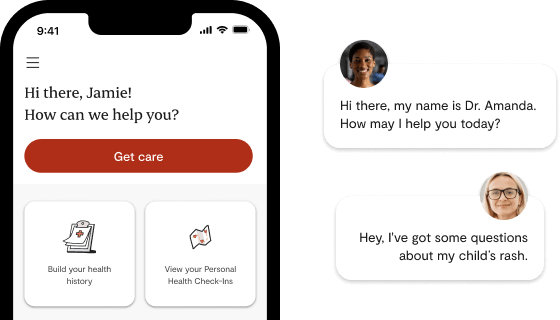
The good news: online ADHD treatment through telehealth has changed that. You can now get a proper clinical assessment, a formal diagnosis, and a personalized treatment plan – including medication where appropriate – without ever sitting in a waiting room.
This guide walks you through exactly how it works, what to expect, and how to make the most of it.
What You Will Find Here:

What Does Online ADHD Treatment Actually Include?
“Online ADHD treatment” isn’t a single thing – it’s a full continuum of care delivered virtually. Depending on where you are in your journey, it can include:
- Assessment and diagnosis by a licensed clinician via video appointment
- A written clinical report documenting your diagnosis and recommendations
- A personalized treatment plan – medication, behavioral strategies, or both
- Ongoing prescription management and follow-up appointments
- Therapy and coaching to build practical daily skills
The clinical standards are identical to in-person care. The only difference is the delivery method.
Who Can Benefit Most From Virtual ADHD Care?
Online ADHD treatment is a strong fit if you:
- Are an adult who has never been assessed – Many adults with ADHD went unrecognized as children, especially those with inattentive-type symptoms that don’t look like the “classic” hyperactive picture.
- Live in a rural or remote area where specialist access is limited. Geography is no longer a barrier to quality ADHD care.
- Have been waiting months for a psychiatry referral and your daily functioning is suffering in the meantime.
- Already have a diagnosis and need ongoing prescription management without repeated long waits.
One important note: if your case involves complex psychiatric history, suspected psychosis, or significant substance use, a good virtual clinician will tell you this upfront and point you toward the right in-person resources. That honesty is a sign of quality, not a limitation.
How the Assessment Process Works, Step by Step
Step 1: Online Intake and Screening
You start with a detailed questionnaire covering your symptoms, daily challenges, and history. This isn’t a diagnosis – it’s a clinical intake tool that helps your provider prepare for a meaningful conversation.
Step 2: Video Appointment With a Licensed Clinician
A licensed Nurse Practitioner or physician meets with you by video – typically for 45 to 90 minutes. They’ll explore your symptom history across settings (work, home, relationships), ask about childhood patterns, and rule out other explanations like anxiety, sleep disorders, or burnout.
Step 3: Written Report and Diagnosis
You receive a formal written report that includes your diagnosis, functional recommendations for work or school, and both medication and non-medication management options. This document is yours – you can share it with your family doctor or use it for workplace accommodation requests.
Step 4: Treatment Plan and Ongoing Care
Your care goes beyond just getting a diagnosis. A high-quality virtual program provides a personalized treatment plan, includes an ADHD Medication Prescription Online when clinically appropriate, and sets up regular follow-ups to track your progress and make adjustments as needed.
ADHD Medication Online: What Can Be Prescribed in Canada?
This is the question most people have, so here’s a straightforward answer.
Yes, ADHD medication can be prescribed through a virtual appointment in Canada. Licensed Nurse Practitioners and physicians are fully authorized to prescribe ADHD medications – including stimulants – after conducting a proper clinical assessment. The prescription goes directly to your pharmacy electronically.
Stimulant Medications (First-Line)
Stimulants work for roughly 70–80% of people with ADHD and are the first recommendation from CADDRA (Canadian ADHD Resource Alliance):
- Methylphenidate-based: Concerta, Biphentin, Ritalin generics
- Amphetamine-based: Vyvanse, Adderall XR generics, Dexedrine
Non-Stimulant Medications (Second-Line)
Used when stimulants aren’t effective or aren’t a good fit:
- Strattera (atomoxetine)
- Intuniv XR (guanfacine)
- Wellbutrin (bupropion, off-label)
What About Regulations?
ADHD stimulants are Schedule III controlled substances under Canada’s Controlled Drugs and Substances Act. This means they require a valid prescription from a licensed Canadian provider – they cannot be purchased online without one. Renewal also requires ongoing clinical oversight, typically a follow-up appointment every 4–8 weeks initially, then every 3–6 months once your dose is stable.
Beyond Medication: The Non-Pharmaceutical Side of Treatment
Medication can make a significant difference, but it works best when paired with strategies that address what medication doesn’t fully fix – the habits, thought patterns, and systems that ADHD disrupts every day.
Cognitive Behavioural Therapy (CBT) is the most well-researched non-medication intervention for adult ADHD. It targets procrastination, time blindness, emotional dysregulation, and negative self-talk. Many virtual care programs now include access to digital CBT as part of their package.

ADHD Coaching is action-focused rather than therapy-focused. A coach helps you build systems – routines, planning tools, accountability structures – that work with how your brain actually functions, not against it. Research from 2024 found that executive function coaching produced a 30% improvement in academic performance in ADHD patients.
Psychoeducation – simply understanding your own neurology – is underrated. Knowing why you struggle to start tasks, why you lose track of time, and why emotion hits harder than it seems to for others reduces shame and improves how you advocate for yourself.
What Does It Cost? A Realistic Breakdown
Virtual ADHD assessments in Canada typically range from $499 to $799 – significantly more affordable than private in-person psychological evaluations, which commonly run $2,000–$4,000.
Does provincial health insurance cover it? Provincial plans (OHIP, Alberta Health, etc.) cover ADHD care through the public system – but not private virtual platforms. The trade-off is the waitlist, which can stretch six months to over a year in many provinces.
What about private insurance? Many employer plans cover services from psychologists or registered therapists. More importantly, most virtual ADHD assessment costs are claimable through a Health Spending Account (HSA) if your employer provides one. Some platforms also have partnerships with specific insurers – always worth checking before you book.
After diagnosis, your ADHD medication is typically covered under your employer drug plan or provincial drug benefit program.
How to Get the Most Out of Your Virtual Appointment
Going into your assessment prepared makes a real difference in the outcome.
- Write down specific examples of how ADHD symptoms show up in your life – missed deadlines, forgotten commitments, difficulty starting tasks, relationship friction
- Think back to childhood – teachers’ comments, academic reports, or even informal family memories about your attention or energy can be clinically valuable
- List all current medications – some interact with ADHD stimulants and your provider needs the full picture
- Be honest about co-occurring symptoms – anxiety, low mood, sleep problems – these don’t disqualify you; they help your clinician build a more complete and effective treatment plan
- Come with questions – about medication options, what titration involves, how follow-up works, and what to do if something isn’t working
Top asked questions about Telehealth for ADHD
Can I really get an ADHD diagnosis and prescription without going in person?
Yes. Licensed Canadian clinicians can assess, diagnose, and prescribe through a video appointment. The process is clinically equivalent to in-person care for the vast majority of ADHD presentations.
How long does it take to get diagnosed through a virtual clinic?
Most people complete the full process – intake to written report – within 2 to 4 weeks. That compares to a public system wait that often exceeds six months in many provinces.
Is telehealth for ADHD care clinically legitimate?
Absolutely. The assessment tools, diagnostic criteria (DSM-5), and prescribing standards are identical to those used in traditional clinical settings. CADDRA provides telehealth guidance to Canadian practitioners specifically to support quality virtual care.
What if I’m not sure I have ADHD?
That uncertainty is exactly what a clinical assessment is designed to resolve. A proper evaluation rules out other causes – anxiety, depression, sleep disorders – and gives you a clear, evidence-based answer either way.
What happens after I start medication?
Your clinician will schedule follow-up appointments every 4–8 weeks to review how the medication is working, adjust the dose if needed, and renew your prescription. Once you reach a stable dose, check-ins typically move to every 3–6 months.
Final Word
Online ADHD treatment doesn’t replace the connection between you and your healthcare provider; it simply removes the barriers that may have prevented that connection from happening. A well-conducted virtual assessment delivers the same clinical accuracy, the same evidence-based care, and the same legitimate adhd prescription online as an in-person visit, without the long wait times.
If you’ve been putting off getting help because the system felt too slow, too expensive, or too complicated, this might be the moment to take that first step