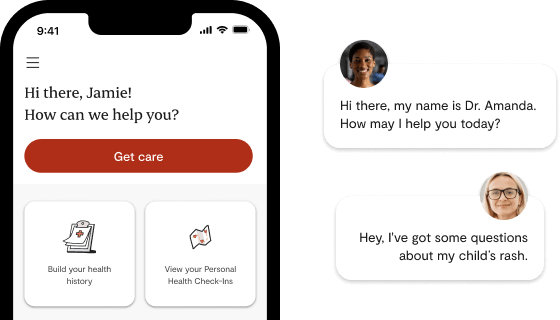

Virtual care has become a convenient option for Canadians looking to get medical advice without leaving home. Many common illnesses such as simple colds, prescription renewals and more can potentially be managed through virtual care.
What You Will Find Here:
In an online consultation, conditions that used to mean a trip to the walk-in clinic can now be treated right from your phone or computer. Here are some common issues that can be addressed with an online virtual doctor consultation in Canada:
- Allergies: seasonal allergies (hay fever) or mild allergic reactions can be evaluated through virtual care. You can quickly get advice and treatment plans such as antihistamines or nasal sprays to manage sneezing and congestion through an online visit.
- Urinary Tract Infections (UTIs): a burning sensation when urinating or frequent urges to go are usually signs of UTI symptoms. A virtual doctor can assess your symptoms and if appropriate, provide a quick diagnosis and send an online prescription for antibiotics to your pharmacy.
- Bronchitis: if you have a persistent cough or wheezing, an online doctor can help determine if it’s bronchitis or another respiratory infection. Through video visits the doctor will review your breathing symptoms and medical history, then recommend a treatment plan, for example, cough medicine or an inhaler without an in-person exam.
- Common cold and cough: for typical cold symptoms like a runny nose, sore throat, or mild cough, virtual care is an easy solution. The doctor can confirm whether or not the cold is serious and give you tips for relief or advise you to get tested for things like strep or COVID.
- Diarrhea and Digestive Issues: an upset stomach, mild food poisoning, or diarrhea can often be treated online. A virtual physician will ask about your symptoms and diet, then give you advice and next steps. They can also prescribe medication like anti-diarrheal pills or reflux medicine during your online visit.
- Fever or flu: a virtual physician can evaluate your temperature and other symptoms to see if it might be the seasonal flu or another virus. In a video consultation, the doctor will recommend treatments like rest, fever reducers or even antiviral medication for the flu to help you feel better faster.
- Headaches and Migraines: severe headaches or migraines can be managed through virtual care. You can discuss your symptoms and triggers with the doctor, who can suggest pain relief strategies and suggest medication if appropriate.
- Pink eye (Conjunctivitis): red itch eyes with discharge are classic signs of pink eye, a highly contagious but common illness. This condition can be easily diagnosed through virtual care. A doctor will examine your eye via video and determine if it’s viral , bacterial, or allergy related and prescribe antibiotic eye drops or other treatments if needed.
- Skin rashes: if you see a strange rash or bug bite, you can show it to a doctor through video and they will identify whether it is a rash, hives, or a mild skin infection. They will advise some creams or allergy medicine which can calm the itching and let you know if an in-person test is needed. In Ontario, many skin conditions like eczema or insect bites are handled easily through virtual care.
- Minor sprains or strains: twisted your ankle or hurt your wrist? A virtual doctor can assess minor injuries like sprains by guiding you through a range-of-motion exam on camera. They will look for swelling or bruising and recommend at-home care like rest, ice, compression, and elevation. If the injury seems more serious, then the doctor will direct you to get an X-ray or an in-person follow up.
Each of these conditions can be handled through online doctor consultations. Whether it’s a phone call or a secure video, a virtual doctor can assess your issues, suggest treatment, and even send online prescriptions to your pharmacy.
It’s a convenient and effective way to get care for common illnesses without having to wait or drive to the doctors office, and still ensuring that you receive quality care.

FAQ’s about Common illnesses
Can an online doctor give prescriptions in Ontario?
Yes, if medically appropriate, a licensed virtual doctor can send an electronic prescription to your local pharmacy.
Are online doctor visits covered by OHIP in Ontario?
Many virtual walk-in clinics are covered by OHIP for residents, meaning you can see an online doctor at no charge with a valid health card.
What if I need lab tests or a physical exam?
The virtual doctor will refer you for in-person care or tests if your condition can’t be fully addressed online, ensuring you get proper follow-up care.
Can a virtual doctor treat chronic conditions?
They can handle routine check-ins for chronic issues (eg, medication refills or monitoring), but severe or complex cases may still require an in-person visit.
Is telehealth okay for emergencies?
No, online visits are best for minor ailments and non-emergencies. You should call 911 or visit an ER for any serious or life-threatening symptoms or injuries.